According to Statista, almost 8 million Germans do not eat meat. That is 10 percent of the country's entire population choosing to avoid meat and fish and, in some cases, all animal by-products.
Some do so for health reasons, others for ethical or religious reasons. Either way, a vegetarian or vegan diet has its pros and cons – and that also applies to the pets whose owners choose this way of eating.
Benefits of a vegan or vegetarian diet for dogs
The good news for anyone who wants to feed their dog a vegetarian or vegan diet? It is doable. And if your dog has food allergies, it could even be part of the solution.
After fleas, the most common cause of skin allergies in dogs is a food allergy – often to a meat protein such as beef, chicken or lamb. A vegetarian or vegan diet without meat avoids these allergens. It also reduces the carbon footprint left behind. As long as you carefully monitor your furry friend's nutrient intake in consultation with their vet and ensure a balanced diet, a vegetarian or vegan lifestyle is a possible option. However...
Disadvantages of a vegan or vegetarian diet
A vegetarian or vegan diet has its pitfalls – and can even be dangerous.
Before changing your dog's eating habits, you should consult a vet who is familiar with special diets and make sure your dog sees the vet more often so that possible problems are detected early.
Sharing your eating habits with your dog may seem harmless (after all, we are both omnivores), but the reality is that humans and dogs are very different creatures with very different needs. If these are not met, the consequences can be harmful – or even fatal.
If you plan to breed your dog, a vegetarian or vegan diet is a no-go – so plan ahead. If you choose an alternative diet for your dog, make sure you buy a complete food that covers all nutritional requirements.
And of course, a well-intentioned vegetarian or vegan diet is of no use if your dog does not eat it (or not in sufficient quantities) and suffers from a lack of essential nutrients – here too, careful monitoring and regular check-ups are key.
Store-bought vs. homemade dog food
The choice is yours! Dog parents who have chosen a vegetarian lifestyle for their furry friends should make sure the food provides all the necessary nutrients. With our vegetarian food, that is exactly the case.
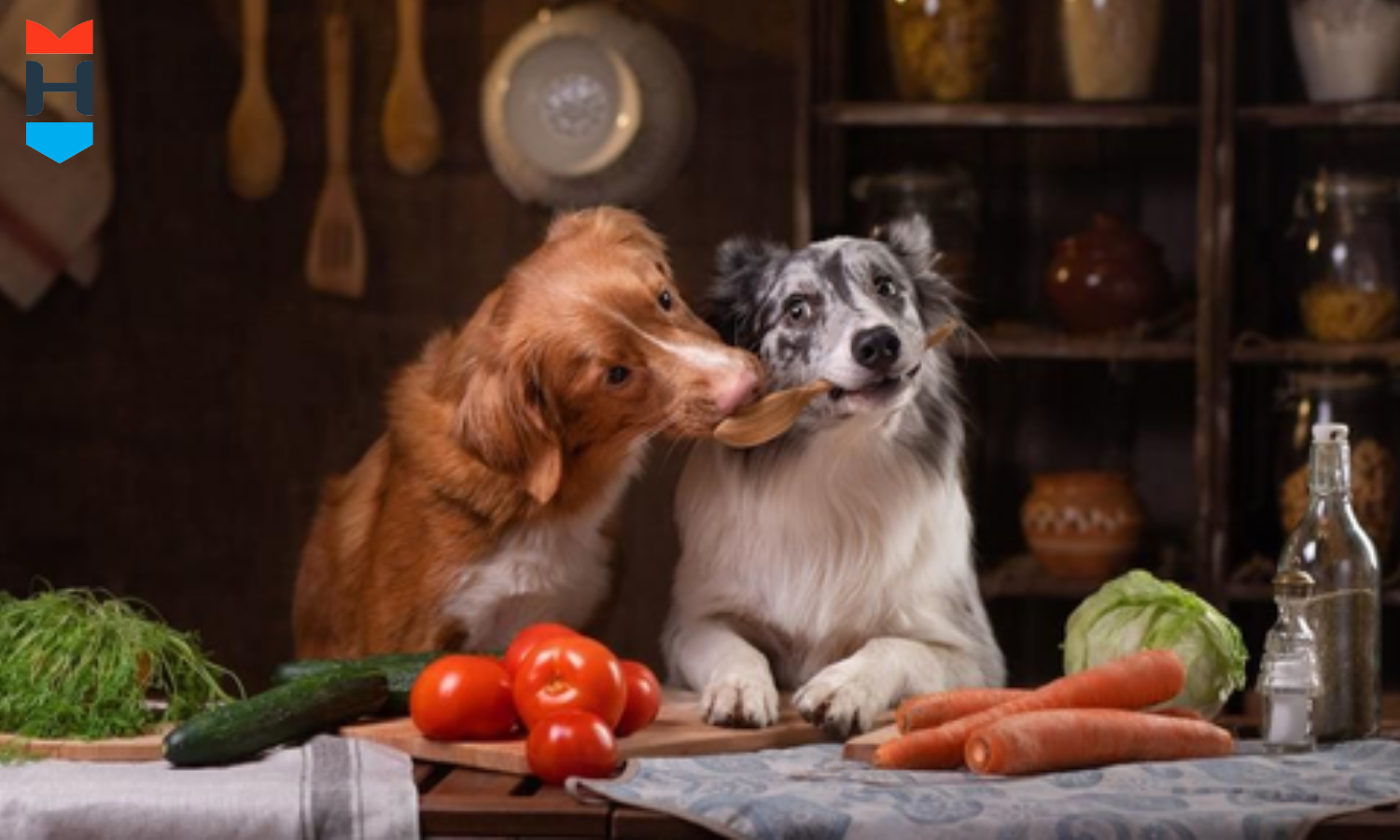
And for those interested in a DIY approach? Vegan blogger Lindsay Nixon feeds her pugs a balanced bowl of beans or lentils with finely chopped raw vegetables, pumpkin and brown rice. PETA offers a tasty peanut butter variant with rice and quinoa, lentils, sweet potatoes, peanut butter and supplements to fill the gaps.
Conclusion
A vegetarian or vegan diet is possible, but requires much more effort to ensure that the dog eats a healthy, balanced diet that leads to a healthy and balanced life. The decision should not be taken lightly and should be well considered – but ultimately it is an option that can be considered together with the vet (and of course the dog).

Leave a comment
All comments are moderated before being published.
This site is protected by hCaptcha and the hCaptcha Privacy Policy and Terms of Service apply.