



HenArt® | Sustainable pet food for dogs and cats
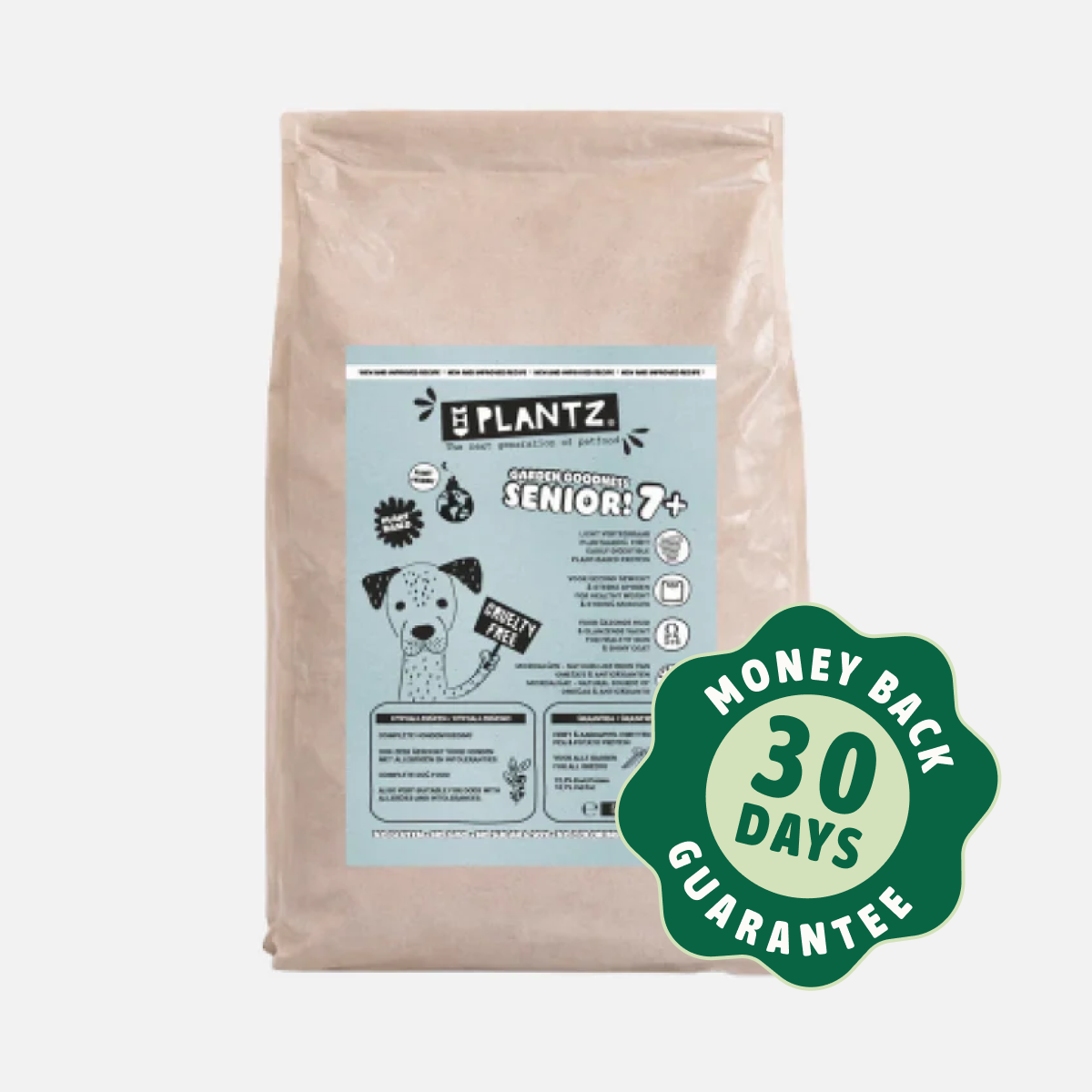
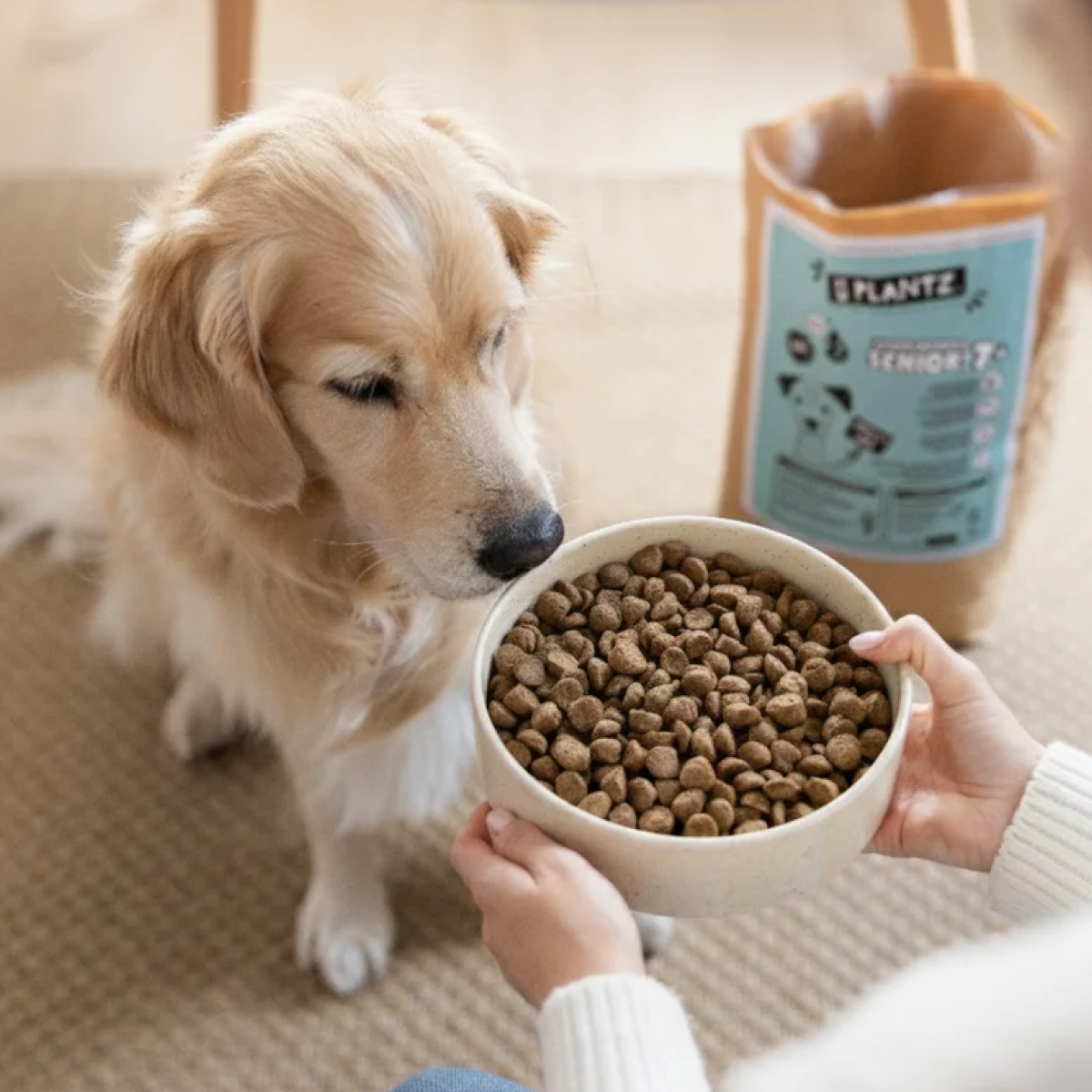
PLANTZ – Plant-Based Dry Food | Senior
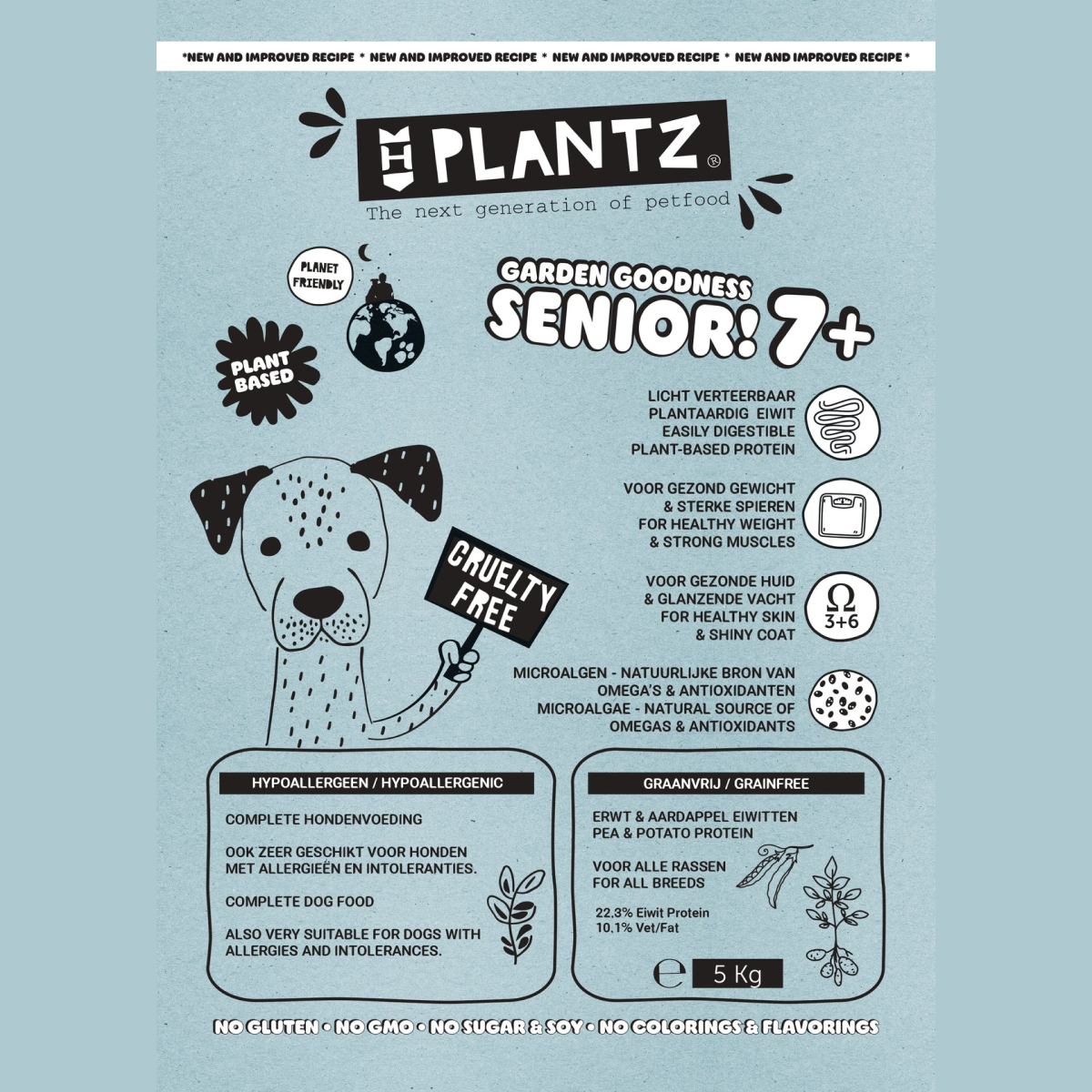
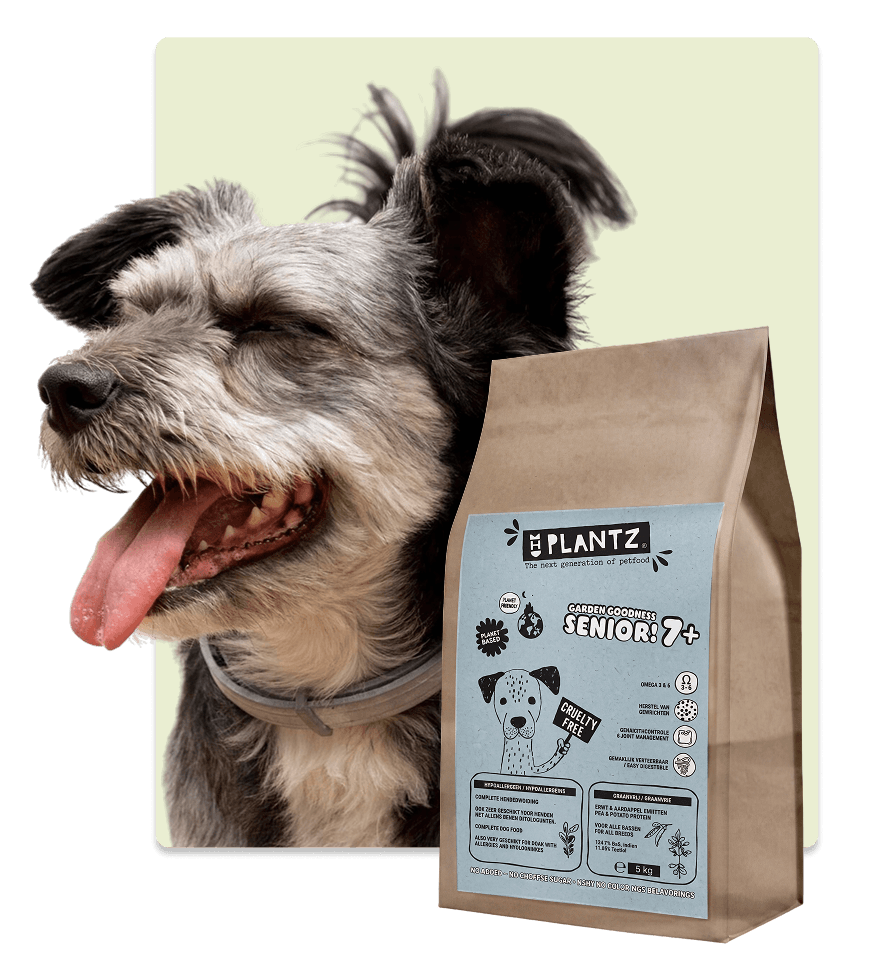
Plant-based dry complete food for dogs with yucca extract and chlorella algae.
- Easy to digest and a strong source of energy 🐶
- Ideal complete dog food for a plant-based diet
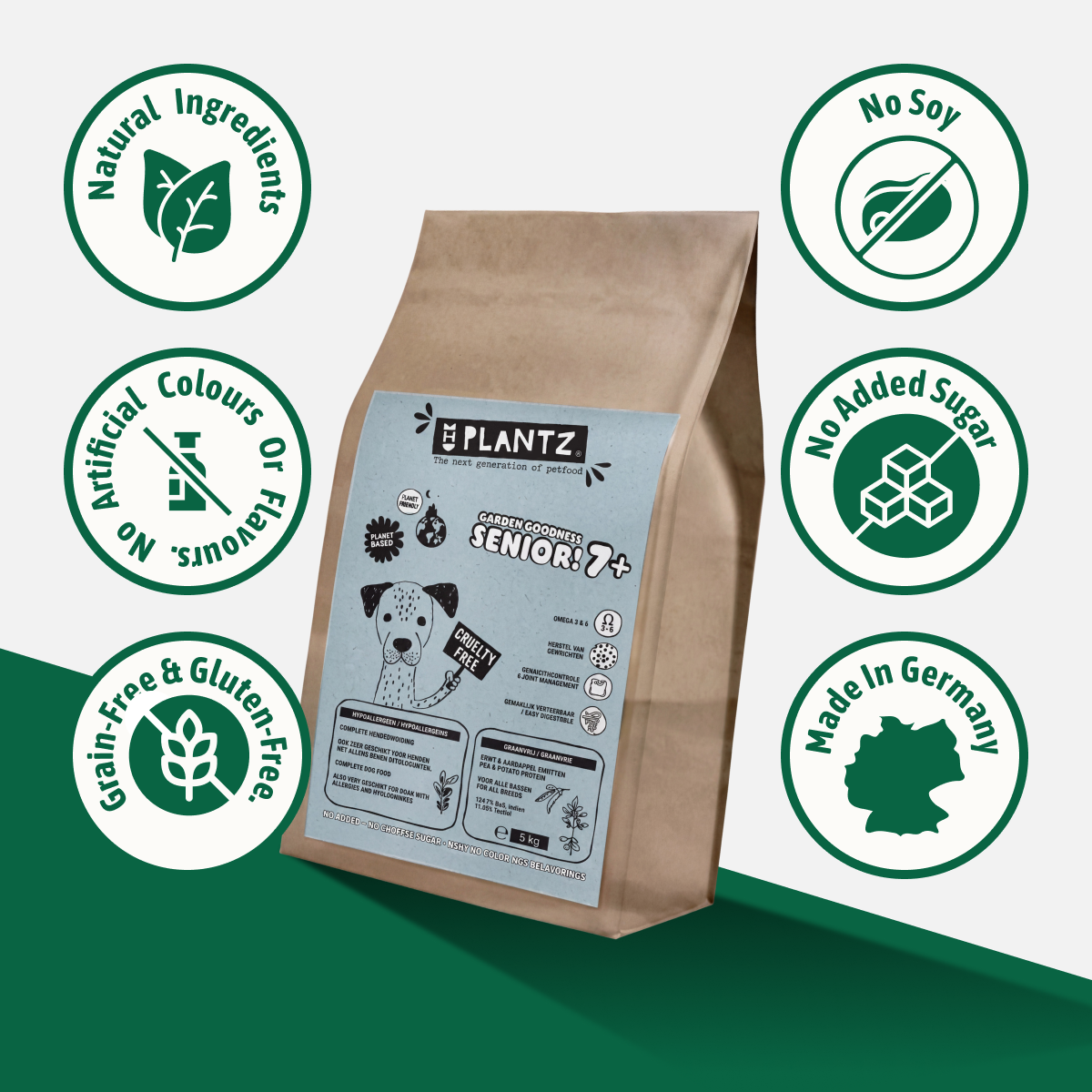
- Natural ingredients & no grain or chemicals 🌱
- Gentle on the body
- Developed for allergy sufferers
 Complete nutrition for senior dogs
 Gentle protein for sensitive digestion
 Developed together with nutrition experts
 Formulated in line with FEDIAF guidelines
 Supports healthy skin and coat.
Tax included. Shipping calculated at checkout

Free shipping on
orders over €50

10% discount code
START10

30-day money-back
guarantee
Ingredients
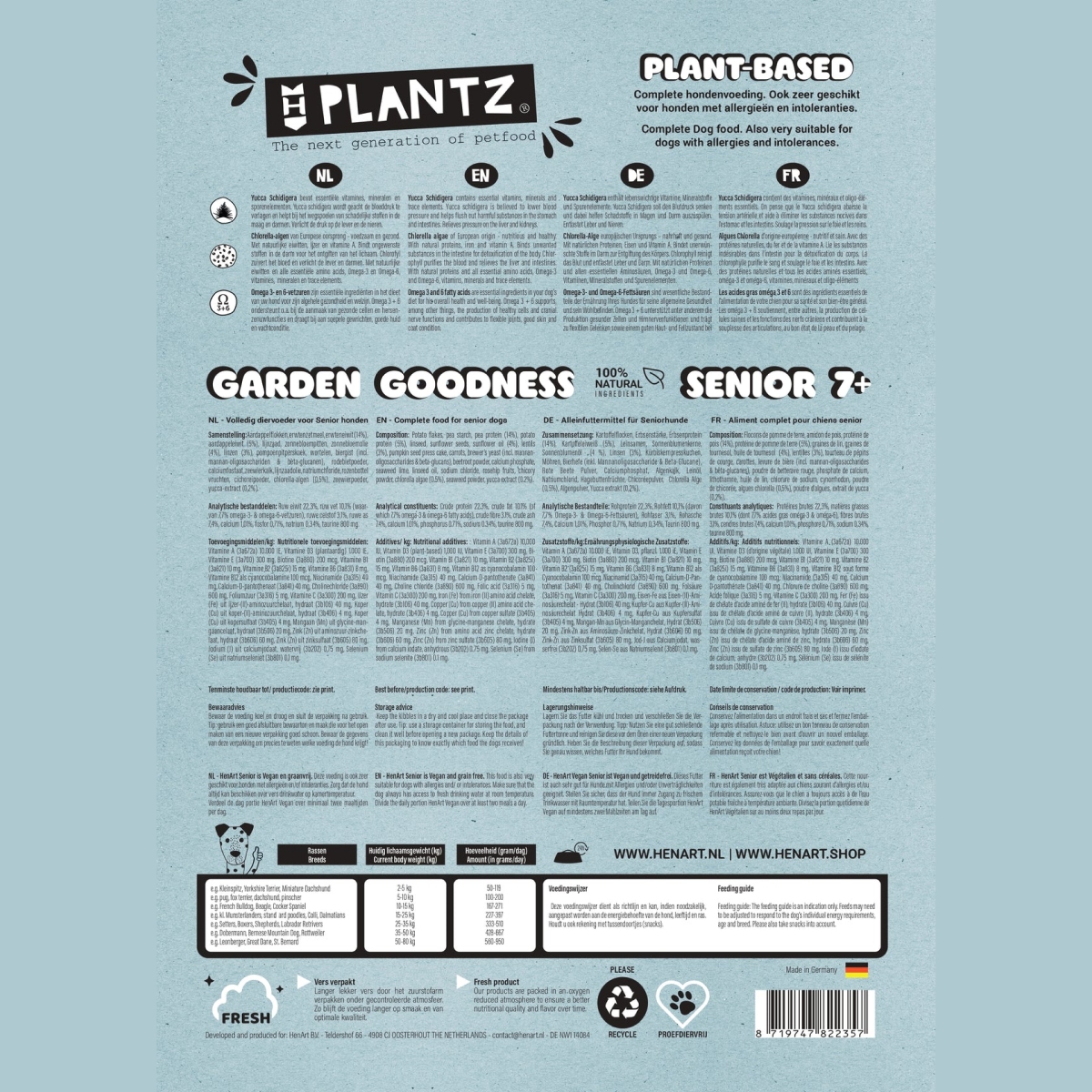
Potato flakes, pea starch, pea protein (14%), potato protein (5%), linseed, sunflower seeds, sunflower oil (4%), lentils (3%), pumpkin seed press cake, carrots, brewer's yeast (incl. mannan-oligosaccharides & beta-glucans), beetroot powder, calcium phosphate, calcified seaweed, linseed oil, sodium chloride, rosehips, chicory powder, Chlorella algae (0.5%), algae powder, yucca extract (0.2%).
Every ingredient has a purpose: supporting protein supply, promoting digestion, caring for skin and coat – and more transparency in the bowl overall.
Feeding Recommendation & Dosage
The feeding amount depends on your dog's weight, activity level and individual needs. PLANTZ Senior 7+ was developed specifically for senior dogs aged 7 and over. Use the table below as a guide or contact our nutrition team for individual advice.
Transition guide
Days 1–3: 25% PLANTZ + 75% previous food
Days 4–6: 50% PLANTZ + 50% previous food
Days 7–9: 75% PLANTZ + 25% previous food
Day 10+: 100% PLANTZ
Amount overview
Dog's weight → daily amount:
2–5 kg → 50–119 g
5–10 kg → 100–200 g
10–15 kg → 167–271 g
15–25 kg → 227–397 g
25–35 kg → 333–510 g
35–50 kg → 428–667 g
50–80 kg → 560–950 g


Is your senior dog showing these signs?

Itchy skin

Sensitive digestion

Irregular stools

Dull coat

Slowing down
Why PLANTZ is different
A different result starts with a different nutritional foundation.
PLANTZ Senior 7+ is tailored to the needs of older dogs; it supports muscle maintenance while providing a nutrient base that is gentle on digestion. Pea protein (14%) and potato protein (5%) are at the heart of this recipe based on alternative protein sources. The composition is built on the same complete nutritional foundation as our adult food, with fat content and feeding recommendations adapted to the lower energy needs of older dogs.


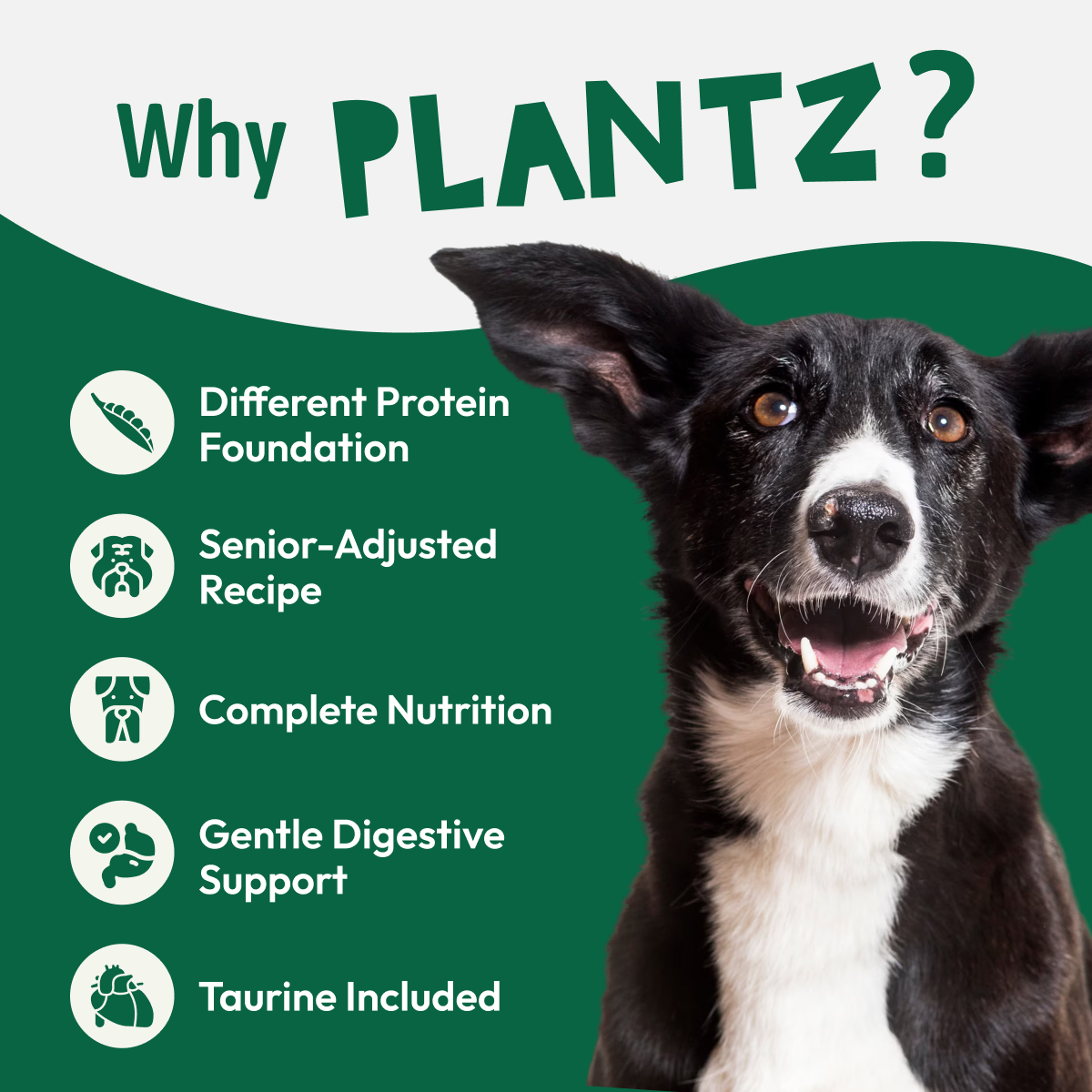
A different protein base
Peas, potatoes and lentils give your dog a protein base that is clearly different from conventional foods based on animal protein.

Complete nutrition
The recipe is formulated as a complete food in line with the FEDIAF nutritional guidelines and is therefore suitable as the sole daily diet.

Contains taurine
Taurine is added to the recipe at 800 mg/kg, complementing the amino acid, vitamin and mineral profile.

Recipe adapted to senior needs
The Senior 7+ version has a lower fat content than the Adult recipe and is based on a feeding recommendation for older dogs.

Gentle digestive support
Chicory powder is a natural prebiotic fibre that supports gut balance.

Carefully developed in Germany
Recipe developed in collaboration with nutrition experts and made in Germany.
What you'll notice after switching

Easier digestion
A gentler protein base – made from pea and potato protein plus prebiotic fibre from chicory – supports balanced digestion and regular stools.

Healthier Skin & Coat
Omega-3 and omega-6 fatty acids from linseed and sunflower oil contribute to healthy skin and a naturally shiny coat.

Steady energy all day
A complete, balanced diet supports your senior dog's daily energy and activity with essential nutrients formulated in line with FEDIAF guidelines.

Complete daily nutrition
Every portion provides essential amino acids, vitamins, minerals and fatty acids; the recipe also has 800 mg/kg taurine added.
Different protein. Complete nutrition.

Essential amino acids
Complete amino acid profile to meet daily nutrient needs.

Vitamins & minerals
Essential micronutrients included in the complete formulation.

Taurine — 800 mg/kg
Taurine added as part of the nutrient composition.

Fatty acids
Linseed and sunflower oil provide omega-3 and omega-6 fatty acids.
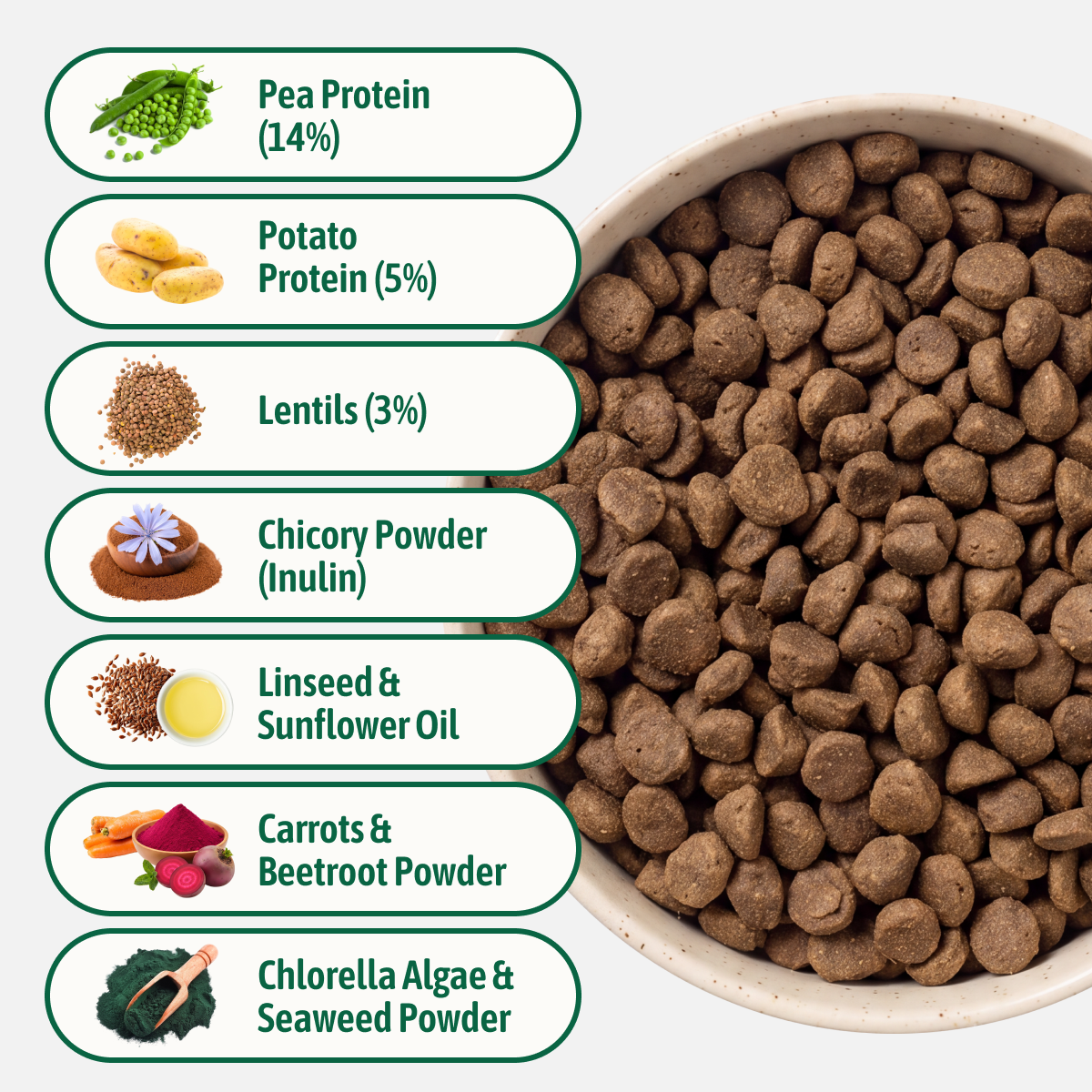
Pea protein (14%)

Potato protein (5%)

Lentils (3%)

Chicory powder (inulin)

Linseed and sunflower oil

Carrot and beetroot powder

Chlorella algae (0.5%) & seaweed powder

Yucca extract (0.2%)

Frequently Asked Questions
Many owners tell us this is the first thing they notice – usually within the first few weeks. The recipe is based on easily digestible protein and contains chicory pulp; this proven prebiotic fibre feeds the beneficial bacteria in your dog's gut and supports balanced, regular digestion. Mealworms also naturally contain chitin – a fibre from the insect's structure. This is an interesting field of current research, but we do not want to base our promises on science that is still developing. Always switch food gradually over seven to ten days. If your dog's digestion is genuinely upset, that is something to discuss with your vet.
Most dogs accept it quickly – often faster than their owners expect. Mealworms have a mild, nutty and savoury taste rather than a strong fishy or gamey note; they go down especially well with dogs that are tired of eating the same thing for years. We would rather be honest than make false promises: some dogs are very particular, and no food is a hit with every single animal. Get your dog used to it over seven to ten days by mixing it into the previous food. This lets your dog get used to the taste and its digestion adjust. Most owners tell us the bowl is licked clean from around day three.
Yes! And what is really reassuring is not the insect itself but the standard behind it. Our mealworms are farmed indoors under controlled conditions and processed to food standards; they are approved for indirect human consumption under European and Portuguese food regulations and are subject to strict limits for heavy metals, mycotoxins, dioxins and microbiological contamination. These requirements are far stricter than those that apply to many conventional pet food ingredients. The finished recipe is a complete food based on the FEDIAF nutritional guidelines – the European reference standard for complete pet nutrition – and is produced in Germany. Wild canids have always eaten insects. This is simply a much cleaner version of an age-old idea.
It is a complete food developed in line with the FEDIAF nutritional guidelines – the European standard for complete pet nutrition. It contains all the essential amino acids, fatty acids, vitamins and minerals your adult dog needs every day, so nothing needs to be added – no toppers, supplements or mixers. You can feed it daily and long term as the sole food. The full composition and analytical constituents are listed both on the packaging and on this page, so you can see exactly what is inside. The only things we also recommend are fresh water available at all times and a scale instead of a measuring cup.
That is exactly why most of our customers find us. Mealworms provide a protein source that the vast majority of dogs have never come into contact with, so no intolerance to it has developed. The recipe also contains no chicken, beef, dairy or wheat – four of the food components most often identified as triggers in dogs with confirmed food intolerances. However, there are two points to consider with regard to your dog's diagnosis: the food contains salmon oil and a very small amount of eggshell membrane. If fish or egg are known triggers for your dog, this food is not suitable. Your vet makes the final decision – and we would be glad if you discussed it with them.
That is a fair question that not enough brands answer honestly. Insects and crustaceans are related and contain the protein tropomyosin, which is the main shellfish allergen. Cross-reactivity between the two groups has been shown in humans; although there is little data for dogs, it is reasonable to assume such a reaction is possible. So if your dog has a confirmed allergy to shellfish or house dust mites, talk to your vet before switching food and introduce the new food slowly and under observation. For the vast majority of dogs without such an allergy, this is not relevant. We would rather tell you up front than have you find out later.
A beautiful coat is usually the visible result of a consistent, high-quality nutrient supply – and that is exactly what this recipe is designed for. It provides omega-3 and omega-6 fatty acids from linseed, linseed oil and salmon oil as well as the fats naturally found in mealworms, complemented by zinc and biotin, which support skin and coat. Be patient: a coat grows slowly and does not change at the push of a button, so it takes more like eight to twelve weeks than eight days for a change to become visible. If your dog suffers from itching, please consult your vet first. Diet is only one of several possible causes – and often not the main one.
This is where the recipe has something special: it contains eggshell membrane – the thin, translucent layer on the inside of the eggshell. It is a natural source of collagen, elastin and glycosaminoglycans – the building blocks of healthy cartilage and connective tissue. A normal daily portion provides the same amount of eggshell membrane used in published clinical studies on joint health in dogs; that is something most conventional foods cannot claim. It supports mobility in active dogs as well as those slowing down with age. If your dog seems stiff, limps or has trouble climbing stairs, please have them examined by your vet.
Take seven to ten days for the switch rather than doing it overnight. Start by mixing about a quarter of HenArt into your dog's previous food; after two or three days increase it to half, then three quarters and finally the full portion. A gradual switch lets the gut flora adjust and also makes it much easier to interpret any reactions correctly. Weigh the portions in the first week instead of guessing, and follow the feeding recommendation on the packaging rather than your old measuring cup. Some softening of the stool is normal in the first days of any food change. If it lasts longer than a week, slow down and consult your vet.
Then you have learned something useful – and we would rather say that openly than pretend otherwise. Not every itch, upset stomach or dull coat is caused by food. Environmental allergies, parasites, skin infections and dental problems are common; none of these can be fixed by changing food, no matter how good the food is. If you have tested a food for long enough (eight to twelve weeks, fed consistently with nothing else added to the bowl) and nothing has changed, that is extremely valuable information for your vet. It narrows down the search for the cause. Please let us know too.
They are farmed indoors in Europe on stacked levels at controlled temperature and humidity – the environment is more like a clean production facility than a traditional farm. The insects are fed plant-based feed, harvested after a few weeks, then gently dried and ground into a fine, light powder with a slightly nutty note. This powder makes up 27% of the finished recipe. Because the whole larva is used, the protein keeps its natural fats and micronutrients instead of these being extracted and added back later. The entire process meets food standards – something rather unusual for pet food that we are particularly proud of.
Mealworms are farmed vertically indoors – on a fraction of the land needed for conventional livestock. They are ready to harvest after weeks instead of years, need very little water and can be farmed anywhere, regardless of climate or season and close to food production. It really is a completely new way of producing protein – and one of the reasons we chose this path. However, you will not find specific percentages here. Such figures are only meaningful if they are measured on the finished product rather than simply taken from studies on individual ingredients; we prefer to make fewer claims, but ones that are actually true.
Less than you might think – and less intense than most fish-based foods. Dried mealworms have a mild, slightly nutty and roasted smell; it is more reminiscent of roasted seeds or mild grain than anything you would typically associate with insects. Most owners find the smell pleasant; quite a few have even told us it is the first food they happily keep in the kitchen rather than the garage. Your dog, of course, perceives the smell quite differently: to a nose many times more sensitive than yours, this mild aroma is far more interesting – which is one reason the food is usually well accepted.
It comes down to the ingredients and how they are produced. Insect protein is produced in controlled indoor facilities to food standards – rather than on a large agricultural scale – which costs more per kilogram than conventional meat meal. The recipe also contains a meaningful amount of eggshell membrane as well as salmon and linseed oil, chicory pulp and turmeric – ingredients that are usually the first to go when a certain price has to be met. You are buying a complete food based on a protein source most dogs have never encountered, made to food standards. It is worth comparing the cost per day rather than just the price per bag.
Yes. This recipe is designed for adult dogs of all breeds and sizes – from Chihuahua to Great Dane. What differs is the amount of food, not the food itself: start with the feeding recommendation on the packaging (based on your dog's weight) and then adjust the amount over two to three weeks according to body condition and activity level. A working herding dog and a laid-back lap dog of the same weight need very different portions. For most adult dogs, split the daily ration into two meals, always provide fresh water and weigh the food rather than guessing. This is where mistakes are most likely to happen.
This particular recipe is designed for adult dogs – including seniors. Older dogs can eat it without any problems (usually in slightly smaller portions), and the eggshell membrane it contains is a valuable addition at this stage of life. Puppies are a different story: growth places high demands on the supply of protein, calcium, phosphorus and energy that adult dog food cannot meet. Feeding mistakes can have serious consequences here, especially in large breeds. That is exactly why we offer dedicated insect-protein recipes for puppies. Your vet can advise you on when your dog can switch to adult food.
This particular recipe is designed for adult dogs – including seniors. Older dogs can eat it without any problems (usually in slightly smaller portions), and the eggshell membrane it contains is a valuable addition at this stage of life. Puppies are a different story: growth places high demands on the supply of protein, calcium, phosphorus and energy that adult dog food cannot meet. Feeding mistakes can have serious consequences here, especially in large breeds. That is exactly why we offer dedicated insect-protein recipes for puppies. Your vet can advise you on when your dog can switch to adult food.